

 See My Latest Article on HelloNation
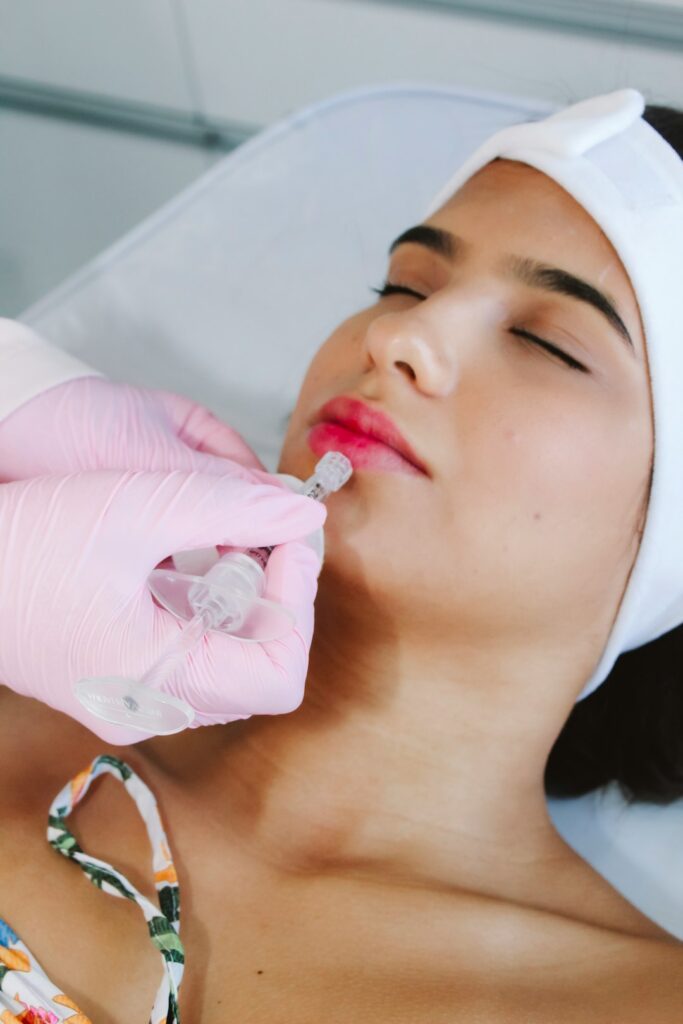
Lip filler appointments are usually brief, structured medical visits rather than lengthy procedures. Most include a consultation, facial assessment, preparation of the lips, a series of small injections, and short observation afterward. Knowing the sequence can make the experience more predictable and help you plan around swelling or bruising.
What happens before the injections?
The appointment typically begins with a conversation about your goals, medical history, medications, allergies, previous cosmetic treatments, and any history of cold sores. The clinician should also examine your lips, facial proportions, skin condition, and the areas you want to improve.
This discussion is not just about choosing a shape or amount of fullness. It is also a safety screening. Mention:
- Prescription and nonprescription medications
- Aspirin, ibuprofen, blood thinners, vitamins, and herbal supplements
- Bleeding disorders or easy bruising
- Medication or lidocaine allergies
- Current skin irritation, sores, or infection
- Previous filler, implants, or reactions to injections
- A history of cold sores around the mouth
A treatment may be postponed if the lips or surrounding skin are irritated, infected, or affected by an active cold sore. People with a history of cold sores may be asked about preventive medication because needle injections can sometimes trigger a recurrence.
The clinician should explain the type of filler being considered, whether it is temporary, expected benefits, possible side effects, and alternatives. For adults, many lip fillers use hyaluronic acid, a gel that temporarily adds volume and definition. Product availability and approved uses can change, so the specific product should be identified and discussed before treatment.
Will the lips be numbed?
Usually, some form of comfort control is offered, but the method varies. The lips may be chilled, treated with a topical numbing cream, or numbed with a small local anesthetic injection. Some fillers also contain lidocaine.
The numbing process can take several minutes. A nerve block may be used for the lips, although not every appointment requires one. Even with numbing, patients may notice pressure, pinching, stinging, or a brief burning sensation as the needle or cannula enters the skin.
Pain is generally short-lived, but sensitivity differs from person to person. Telling the injector if the area feels uncomfortable allows the procedure to be slowed or additional numbing to be considered.
How are the lips assessed and marked?
Before injecting, the lips are usually cleaned and may be photographed or marked. The assessment may include the upper and lower lip, the border of the lips, the corners of the mouth, the balance between the lips, and how the lips look while speaking or smiling.
The goal is not always to make the lips dramatically larger. Some people want more definition along the lip border, correction of mild asymmetry, improvement of vertical lip lines, or modest restoration of volume. A conservative plan may involve less filler during the first visit, followed by reassessment after swelling settles.
A natural-looking result depends on more than the amount used. Lip proportions, existing tissue, facial movement, and the placement of the filler all affect the final appearance.
What happens during the injection itself?
The actual injection portion is often completed within minutes, although the full visit may take longer because of consultation, numbing, cleaning, and evaluation. Small amounts may be placed at several points rather than injecting the entire amount in one location.
The clinician may pause between injections to compare both sides, assess shape, and decide whether additional filler is appropriate. Gentle molding or massage may be used, depending on the product and injection technique. Patients may be asked to move their lips, smile, or relax their mouth during the process.
It is normal to see temporary swelling begin while the appointment is still in progress. The lips may look uneven or fuller than expected immediately afterward. This early appearance is not the final result.
What will the lips look and feel like afterward?
Most people experience some combination of swelling, tenderness, redness, bruising, firmness, or temporary numbness. The lips can feel tight, sensitive, or slightly lumpy during the first several days.
The first-day appearance can be misleading. Swelling may make the lips look overfilled, particularly after treatment of both the upper and lower lip. Mild swelling often improves over several days, while bruising can last about a week or occasionally longer. Some people have little visible reaction; others need more time before the lips look settled.
A cold pack wrapped in a clean cloth may help with temporary discomfort and swelling if recommended by the treating clinician. The lips should not be pressed, rubbed, or massaged unless specific instructions are provided.

Can normal activities continue after the visit?
Many people return to ordinary activities the same day, but planning a quiet period can be sensible. Strenuous exercise is commonly avoided until at least the following day, and some clinicians recommend waiting 24 to 48 hours.
For residents in Boca Raton, outdoor heat, strong sun, humidity, and activities involving prolonged exposure may make early swelling feel more noticeable. It is practical to avoid intense heat, tanning, and direct sun immediately after treatment, and to follow the individualized aftercare instructions provided.
It may also be wise not to plan lip filler immediately before a wedding, photograph session, presentation, or major social event. Even an uncomplicated appointment can produce visible bruising or swelling.
Eating and drinking may feel awkward while the lips are numb. Waiting until normal sensation returns can reduce the chance of accidentally biting or burning the lips. Makeup or lip products should be used only as directed, especially while injection points are still fresh.
When should results be judged?
Some improvement is visible immediately, but the lips should not be evaluated by their first-day appearance. Swelling and tenderness can temporarily obscure the shape and symmetry. A follow-up assessment may be suggested after the filler has settled, particularly when the goal is subtle refinement.
Hyaluronic acid fillers are temporary. How long they last varies with the product, amount used, metabolism, and constant movement of the lips. Repeating treatment is not automatic; the decision should be based on the settled result, changing goals, and a new safety assessment.
Which symptoms require urgent attention?
Most post-injection effects are mild and temporary, but severe or unusual symptoms require prompt medical attention. Seek urgent evaluation for:
- Increasing or severe pain
- Pale, gray, blue, or unusually dark skin near the treatment area
- Blistering or skin breakdown
- Rapidly worsening swelling
- Trouble breathing or widespread hives
- Vision changes, weakness, confusion, or severe headache
These symptoms are uncommon, but filler accidentally entering a blood vessel can cause serious injury. Injections should be performed in a medical setting by a properly licensed and trained healthcare professional, not at a home, salon, or nonmedical venue.
The most useful preparation is straightforward: arrive with a complete medication and allergy history, avoid hiding previous treatments, allow time for possible swelling, and make sure the treatment plan and warning signs are clearly explained before the injections begin.