

 See My Latest Article on HelloNation
What is hyaluronic acid, and why is it used in lip fillers?
Hyaluronic acid is a sugar-like substance naturally found in the body, including the skin, connective tissue, and cartilage. It attracts and holds water, which helps support skin hydration, softness, and volume.
In lip filler injections, hyaluronic acid is formulated into a smooth gel and placed beneath or within selected areas of the lip tissue. The gel adds volume, improves definition, and may soften fine vertical lines around the mouth. Because the substance is familiar to the body and gradually breaks down, hyaluronic acid is considered a temporary filler material.
The gel used for injections is not the same as a topical hyaluronic acid cream or serum. Skin-care products may improve surface hydration, but they do not create the structural volume produced by an injectable filler.
How do hyaluronic acid lip fillers create fullness?
Hyaluronic acid fillers work in two main ways: they occupy space in the tissue and draw in water. The first effect is usually visible soon after injection, while the second can contribute to a softer, fuller appearance as the product settles.
The result depends on where the gel is placed. A treatment may be designed to:
- Add overall lip volume
- Improve the outline of the upper or lower lip
- Define the Cupid’s bow
- Balance uneven sides
- Support the corners of the mouth
- Reduce the appearance of fine lines around the lips
- Restore volume that has gradually declined with age
Lip filler is not the same as a muscle-relaxing injection. Hyaluronic acid adds volume, while muscle-relaxing medications reduce movement in selected muscles. The two treatments may sometimes be discussed separately, but they work through different biological mechanisms.
What happens during a lip filler injection?
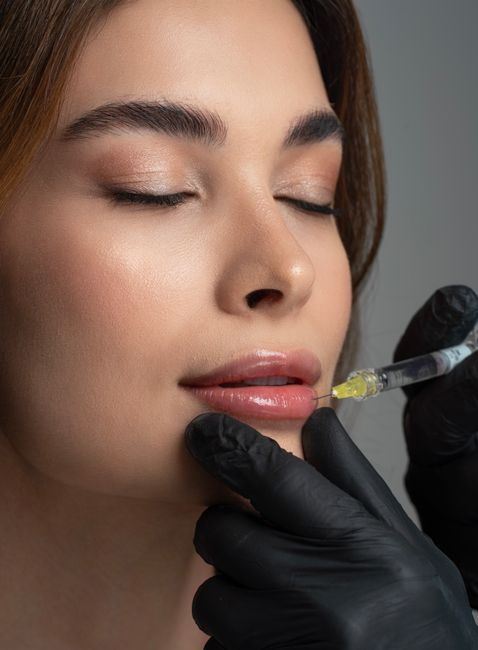
A typical treatment begins with a medical review and examination of the lips and surrounding structures. The injection technique, amount of product, and placement should be based on the person’s anatomy and desired level of change.
The lips may be cleaned and numbed with a topical anesthetic or another local-numbing method. Some hyaluronic acid products also contain a small amount of an anesthetic medication. The injector then places small amounts of gel through a needle or, in some cases, a blunt-tipped cannula.
The procedure itself may be relatively brief, but the planning matters. The lips contain many blood vessels and are highly mobile, so product placement requires careful anatomical judgment. A conservative approach can help reduce the chance of an overly firm, uneven, or disproportionate appearance.
Are the results immediate?
Some improvement is usually visible soon after injection, but the first appearance is not the final result. Swelling, redness, tenderness, and minor bruising can temporarily make the lips look larger or less even than expected.
For many people, the lips settle over several days. Mild swelling may last longer, particularly after a first treatment or when a larger amount of product is used. The timing varies according to the product, injection technique, individual healing response, and whether the area was irritated before treatment.
Residents of Boca Raton may also want to consider outdoor habits. Heat, sun exposure, and activities that increase blood flow can make early swelling more noticeable. Practical aftercare commonly includes avoiding strenuous exercise for a short period, limiting direct sun exposure, and not pressing or massaging the lips unless specific instructions are provided.
How long do lip fillers last?
Hyaluronic acid lip filler commonly lasts several months to about a year, although the range varies. The lips move frequently during speaking, eating, drinking, and facial expression, so lip filler may not last as long as filler placed in less mobile areas.
Longevity can be influenced by:
- The specific formulation and degree of cross-linking
- The amount injected
- A person’s metabolism
- Lip movement and facial expression
- Previous filler treatments
- The body’s individual response to the product
Temporary does not mean that the filler disappears suddenly. The gel is gradually broken down and absorbed. As volume decreases, the lips generally move toward their untreated appearance rather than becoming dependent on the filler.
Can hyaluronic acid filler be dissolved?
One reason hyaluronic acid is commonly selected for the lips is that it can generally be broken down with an enzyme called hyaluronidase when medically appropriate. This does not make the treatment risk-free, and dissolving filler is not always instantaneous or perfectly predictable.
Hyaluronidase may be considered for concerns such as unwanted lumps, overcorrection, or certain urgent complications. The decision requires medical assessment because swelling, infection, bruising, and vascular problems can resemble one another in the early stages.
What side effects are normal?
Short-term effects can include:
- Swelling
- Bruising
- Redness
- Tenderness
- Itching
- Temporary firmness
- Mild asymmetry during healing
These effects often improve over several days, though some may take one to two weeks to resolve. Small lumps or uneven areas may result from swelling rather than a final problem, but persistent or worsening changes should be medically evaluated.
A history of cold sores, allergies, bleeding problems, easily irritated skin, prior facial procedures, and current medications or supplements should be discussed before treatment. Blood-thinning medications and some supplements may increase bruising, but prescribed medication should not be stopped without medical guidance.
What are the serious risks?
The most serious complication is accidental injection of filler into a blood vessel. This can restrict blood flow and, in rare cases, cause skin injury, vision problems, blindness, or stroke. Although uncommon, the potential severity makes lip filler a medical procedure rather than a routine beauty service.
Urgent medical attention is warranted for unusual or escalating pain, pale white or gray skin, bluish discoloration, marked skin cooling, sudden vision changes, weakness, difficulty speaking, facial drooping, severe headache, or confusion during or shortly after injection.
Needle-free, high-pressure devices marketed for injecting filler can provide less control over placement and have been associated with serious injuries. Products purchased directly for self-injection may be counterfeit, contaminated, or not approved for use.
What should people in Boca Raton consider before treatment?
A consultation should cover the intended change, the specific product, expected duration, medical history, prior filler, and a plan for managing complications. The product should come in properly labeled, sealed packaging and be administered by a licensed health care professional trained in facial injections.
It is also reasonable to ask whether the product is approved for the planned use, what symptoms require urgent attention, and how follow-up is handled if swelling or asymmetry persists. A careful assessment may also determine that delaying treatment is appropriate if there is an active lip infection, dental infection, cold sore outbreak, or significant skin irritation.
Understanding the material helps set realistic expectations: hyaluronic acid can add temporary volume and definition, but it cannot permanently reshape the lips or eliminate every line around the mouth. The safest outcome depends on appropriate product selection, precise placement, conservative dosing, and prompt attention to unusual symptoms.